Types of Skylights Used in Modern Skylight Installation
People seeking modern skylight installation often want to understand the types of skylights used, and local contractors can help choose and install the best options for their space.
If you’re exploring options for adding natural light to your property, understanding the different types of skylights used in modern skylight installation can be a valuable step. Property owners in the area often seek out this information to enhance their indoor spaces, improve energy efficiency, or simply bring more daylight into their homes and workplaces. Knowing which skylight styles are available can help you make informed decisions that suit your specific needs and aesthetic preferences. Local contractors experienced in modern skylight installation are well-versed in these options and can provide guidance tailored to your property’s design and structure.
As you continue reading, you’ll discover the variety of skylight types commonly used in current installations, including fixed, vented, and tubular models. Each type offers distinct benefits and ideal applications, making it easier to choose the right solution for your space. Whether aiming for increased ventilation, enhanced daylight, or a sleek, unobtrusive look, understanding these options can help you collaborate effectively with local service providers. This knowledge can also ensure your skylight installation is both functional and visually appealing, aligning with your goals for natural light and interior comfort.
- Fixed skylights - Ideal for spaces where constant natural light is desired, and local contractors can customize installation to suit existing roof structures.
- Ventilating skylights - Suitable for rooms needing airflow and fresh air, with service providers ensuring proper sealing and operability during installation.
- Tubular skylights - Perfect for small or hard-to-reach areas, as local pros typically handle precise cuts and flashing for seamless integration.
- Custom-shaped skylights - Used in unique architectural designs, with local specialists tailoring the shape and size to match specific aesthetic and structural needs.
- Skylight domes - Often chosen for durability and weather resistance, with service providers ensuring proper installation to maintain clarity and protection.
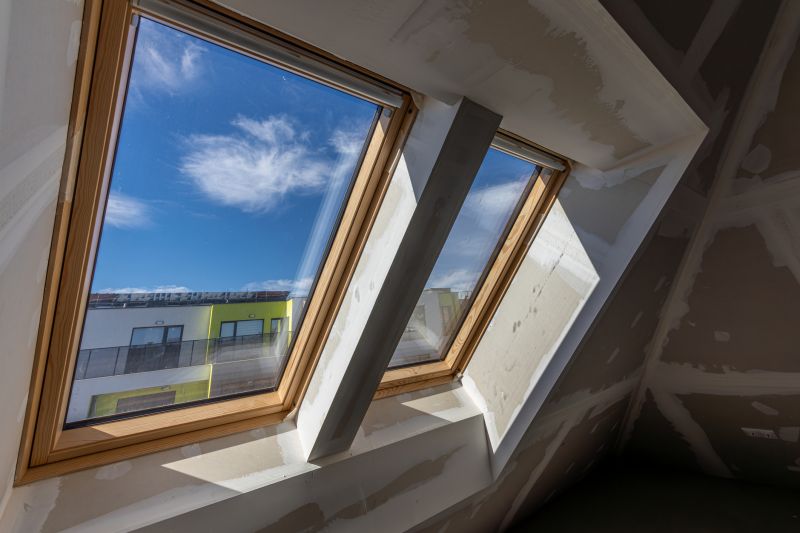
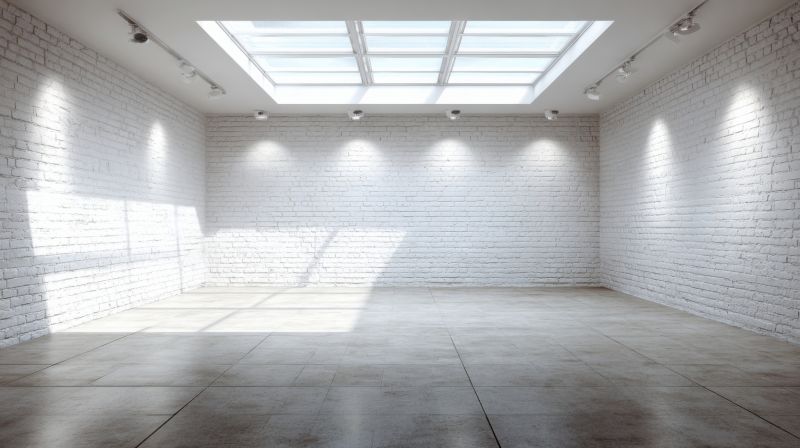
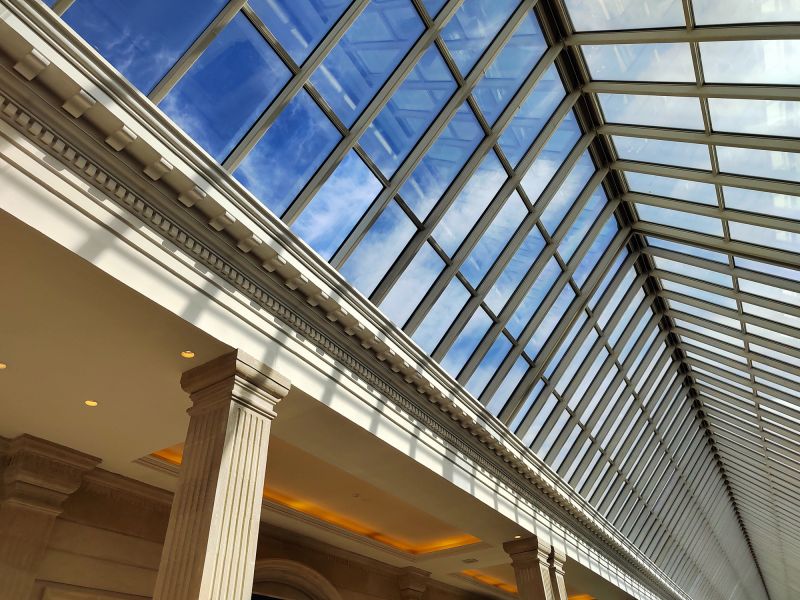
When homeowners explore the types of skylights used in modern skylight installation, they are often considering how to bring more natural light into their living spaces while enhancing the aesthetic appeal of their property. This topic is commonly searched by individuals planning renovations, new construction projects, or simply looking to improve their home’s brightness and ventilation. Many property owners face questions about which skylight styles will best suit their needs, whether for increased daylight, energy efficiency, or architectural harmony. Understanding the different types available helps homeowners make informed choices that align with their specific goals, whether they are upgrading an existing space or designing a new one.
The types of skylights used in modern skylight installation are closely related to common property challenges and planning considerations. For example, homeowners may seek solutions to brighten dark rooms, improve airflow, or add visual interest to a space with high ceilings. They might also be concerned about issues like heat gain or loss, glare, or compatibility with existing roof structures. These considerations often lead property owners to explore different skylight styles that address these problems, such as ventilating skylights for airflow or energy-efficient models to reduce heating and cooling costs. Local service providers can assist in evaluating these needs and recommending the most suitable skylight types for each project.
Properties that typically come up in discussions about skylight types include residential homes, especially those with vaulted ceilings or attic spaces, as well as commercial buildings like offices, retail spaces, and even some hospitality venues. Residential properties often benefit from skylights that add natural light to kitchens, bathrooms, or stairwells. In commercial settings, larger or more specialized skylights may be used to create inviting atmospheres or improve energy efficiency. The design and structural requirements vary based on the property’s architecture and purpose, which makes it important for homeowners and property managers to work with experienced local contractors. These professionals can evaluate property specifics and recommend the best skylight options to suit each unique setting.
Choosing the right type of skylight involves understanding the differences between various styles and how they fit into a property’s design and functional needs. Fixed skylights are popular for their simplicity and ability to provide consistent daylight without ventilation. Operable skylights, on the other hand, allow for airflow and are often used in spaces where fresh air is desired. Tubular skylights are a space-saving option that channels natural light through a small roof opening, ideal for smaller rooms or areas with limited roof space. Each type has its advantages and potential drawbacks, making it essential to work with local service providers who can assess the property and recommend the most appropriate skylight styles for a successful installation.
Skylight replacement projects involve updating existing skylights with newer styles, requiring skills in planning, measurement, and installation similar to modern skylight installation services.
Attic conversion projects often include installing skylights to improve natural light, utilizing the same planning and framing skills as those used in modern skylight installation.
Roofing projects with skylight integration require coordination of roofing and skylight installation, making them related in terms of planning and working with specialized tools.
Sunroom construction projects often involve installing skylights to enhance daylight, sharing similar skills in structural assessment and precise installation with modern skylight services.
Window replacement projects that involve roof-level or ceiling-mounted windows share planning and installation techniques with skylight installation, especially in sealing and finishing details.
Dormer addition projects include creating openings in roofs for natural light, involving skills in framing and sealing that are relevant to skylight types used in modern skylight installation.
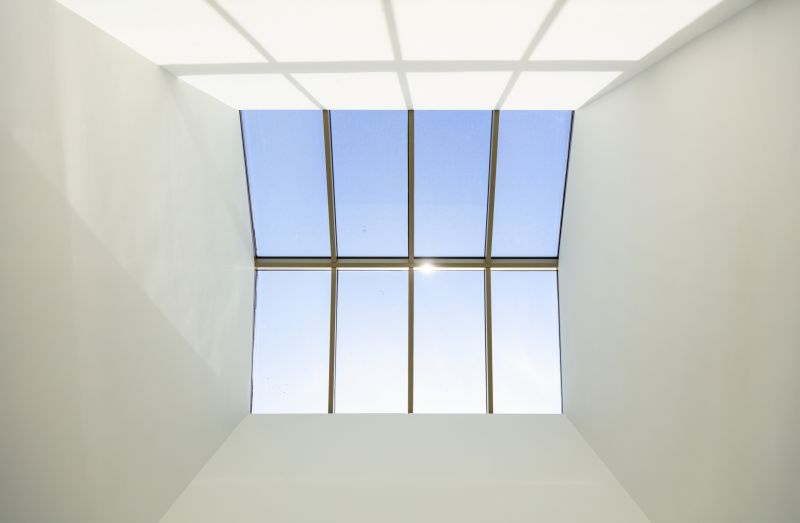
When evaluating service providers for modern skylight installation, it’s important to consider their experience with similar projects, particularly those involving different types of skylights used in modern skylight installation. Homeowners should inquire about the contractor’s past work with various skylight styles, such as fixed, vented, or tubular options, to ensure they have the relevant expertise. A contractor with a proven track record handling projects comparable in scope and complexity can offer insight into the best choices for specific needs, as well as demonstrate familiarity with the latest installation techniques and materials.
Clear, written expectations are essential when comparing local contractors for skylight installation services. Homeowners should seek detailed proposals that outline the scope of work, material specifications, and installation procedures. This transparency helps prevent misunderstandings and ensures that both parties are aligned on project goals. Additionally, understanding the contractor’s approach to handling different types of skylights can clarify how they plan to address potential challenges, such as waterproofing or insulation considerations, which are critical for modern skylight systems.
Reputable references and good communication are key factors when selecting a service provider for modern skylight installation. Homeowners are encouraged to request references from previous clients who had similar skylight projects completed. Speaking with past customers can reveal insights about the contractor’s reliability, quality of work, and ability to communicate effectively throughout the process. A contractor who maintains open lines of communication and provides timely, clear updates can help ensure the project proceeds smoothly and meets expectations, ultimately supporting a successful skylight installation tailored to the homeowner’s preferences and needs.
Property owners often search for types of skylights used in modern skylight installation when they are planning practical projects around their homes and businesses. Local pros provide Modern Skylight Installation services for everyday jobs and straightforward project options.
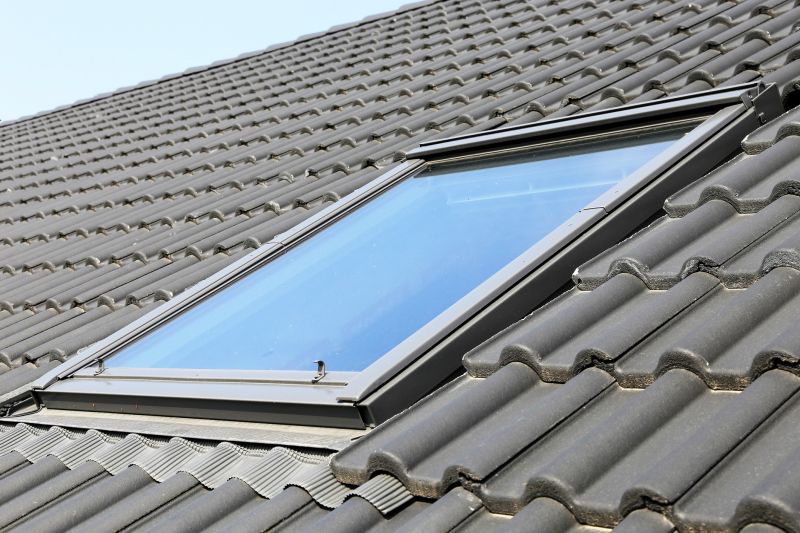
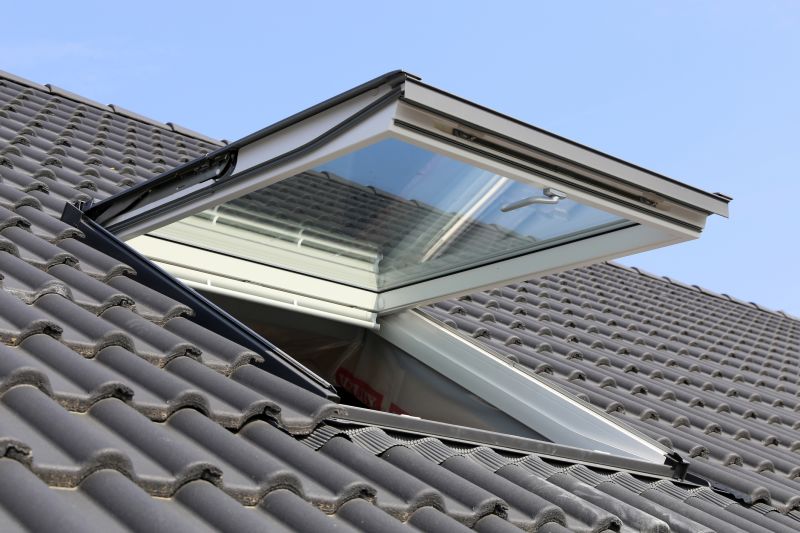
When considering modern skylight installation, property owners often explore the different types of skylights available to enhance natural light and improve energy efficiency in their homes. Common options include fixed skylights, which provide a steady source of daylight without ventilation, and vented skylights, designed to allow airflow and improve indoor comfort. Additionally, tubular skylights are popular for smaller spaces, offering a simple way to bring in natural light through a compact, streamlined design. Understanding these options can help homeowners determine which type best suits their needs for brightness, ventilation, and overall aesthetic appeal.
Local contractors specializing in skylight installation can assist property owners in choosing the right type of skylight for their specific project. They can evaluate the structure, orientation, and existing roof setup to recommend solutions that maximize light and functionality. Whether installing fixed skylights for consistent illumination or vented models for airflow, these service providers have the expertise to handle different types of skylights used in modern skylight installation. Connecting with experienced local pros ensures the installation process aligns with the property’s design goals and technical requirements.
What are the common types of skylights used in modern skylight installation? Common types include fixed skylights, vented skylights, tubular skylights, and custom-shaped options, all installed by local contractors specializing in skylight services.
How do fixed skylights differ from vented skylights? Fixed skylights are stationary and provide natural light, while vented skylights can be opened to allow airflow, with local service providers able to recommend suitable options based on the installation needs.
What are tubular skylights, and why are they popular in modern installations? Tubular skylights use a reflective tube to channel light into interior spaces, making them ideal for smaller or darker rooms, with local pros able to install these efficiently.
Can custom-shaped skylights be used in modern skylight installation? Yes, custom-shaped skylights are available for unique architectural designs, and local contractors can help select and install these to match specific aesthetic preferences.
Are there different materials used for skylight enclosures in modern installations? Yes, common materials include glass and acrylic, each offering different benefits, with local service providers able to advise on the best material based on the project requirements.
Fixed skylights - Property owners can choose fixed skylights to bring natural light into spaces that don’t require ventilation, with local contractors handling installation for a seamless fit.
Tubular skylights - These are ideal for small or narrow areas, and local service providers can help install them efficiently to maximize daylight in tight spaces.
Ventilating skylights - Perfect for kitchens or bathrooms, these skylights allow fresh air to enter, with local pros ensuring proper installation for optimal airflow.
Custom-shaped skylights - For unique architectural designs, local contractors can craft and install custom-shaped skylights that enhance the aesthetic and natural lighting of a property.
If you are thinking about types of skylights used in modern skylight installation for a property, this guide is meant to help you understand this topic, the typical project types, and how different options might fit your plans.
When you are ready, you can use the quote form on this page to share a few details about your project. From there, local pros can review the basics and follow up with options that match what you have in mind.